Commercial and industrial facilities depend on reliable infrastructure, safe working environments, and equipment that supports daily operations. Problems involving drainage, material movement, fire protection, structural components, or weather exposure can disrupt productivity and create risks for employees, inventory, and machinery.
A proactive facility plan helps managers identify vulnerabilities before they develop into expensive repairs or extended downtime. Rather than responding to individual problems as they arise, businesses can evaluate how building systems, equipment, and outdoor work areas affect one another. This broader perspective helps managers prioritize improvements and coordinate projects more effectively.
Begin by reviewing inspection records, maintenance schedules, incident reports, and planned operational changes. Identify critical systems, establish realistic budgets, and determine which repairs require immediate attention. Professional assessments can also clarify technical requirements before work begins.
By coordinating maintenance, infrastructure upgrades, employee training, and emergency planning, facility managers can improve operational reliability while preparing their properties to handle changing demands and unexpected disruptions.
Inspect Drainage Infrastructure Before Failures Disrupt Operations
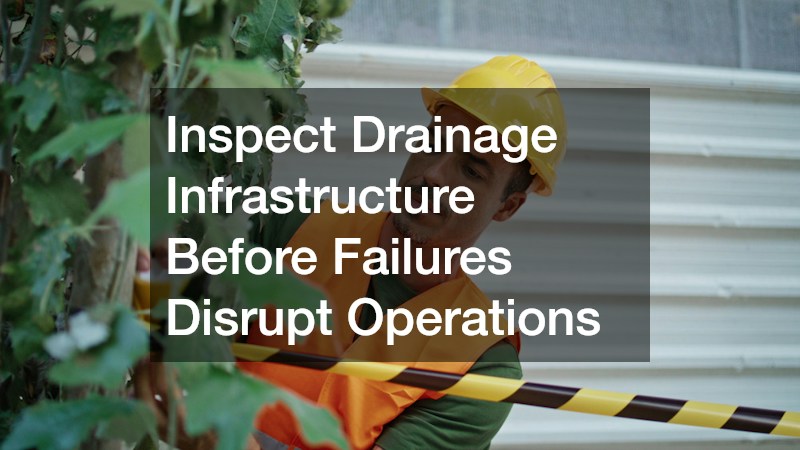
Drainage problems can affect sanitation, site access, production schedules, and employee safety. Water that collects around buildings may interfere with deliveries or damage nearby infrastructure, while recurring sewer backups can make parts of a facility difficult to use. Regular inspections help managers identify developing problems before they interrupt operations.
Municipal sewer rehabilitation may address deteriorating pipes, leaks, blockages, and other problems involving public sewer infrastructure. Because these systems can extend beyond a property’s boundaries, facility managers should determine which components they are responsible for maintaining and which require coordination with local authorities.
Review maintenance records and investigate recurring drainage complaints rather than treating each incident as an isolated problem. Qualified contractors can assess suspected defects and recommend appropriate next steps.
Practical actions include:
- Documenting recurring backups, odors, and drainage failures.
- Identifying areas where water collects after rainfall.
- Reviewing inspection and repair records for repeated problems.
- Confirming responsibility for affected public and private infrastructure.
- Scheduling repairs according to risk and operational impact.
Clear documentation helps managers recognize patterns, allocate maintenance funds, and coordinate repairs before infrastructure problems become larger operational concerns.
Evaluate Financial Priorities Before Committing to Upgrades
Facility improvements compete with other business expenses, making financial planning an important part of resilience. Managers should distinguish urgent safety repairs from projects that can be scheduled over time. A realistic budget accounts for maintenance, equipment replacement, inspections, emergency reserves, and planned expansion rather than focusing only on initial construction costs.
Investment decisions should remain separate from the operating funds needed to maintain safe facilities. For eligible investors, a dependable oil and gas tax shelter may be a consideration when evaluating certain energy investments. However, its suitability depends on individual circumstances, investment risks, and applicable tax rules. It should not be treated as a guaranteed return or a substitute for adequate facility funding.
Before making financial commitments, establish clear priorities and seek appropriate professional advice.
A practical budgeting process includes:
- Estimating the cost of critical repairs and compliance work.
- Separating operating reserves from discretionary investments.
- Comparing project costs with their expected operational benefits.
- Allowing for unexpected repairs and changing material costs.
- Consulting qualified tax and financial professionals about investment decisions.
Keeping these financial decisions distinct helps managers protect essential maintenance budgets while evaluating longer-term business opportunities responsibly.
Verify Ground Conditions Before Expanding Facilities
Facility expansions and major equipment installations place new demands on foundations. Soil conditions, groundwater, existing structures, and anticipated loads can all influence the appropriate foundation design. Assuming that a method used on a neighboring property will work equally well can lead to unsuitable specifications or expensive changes during construction.
Deep foundation drilling may form part of a project when site conditions or structural requirements call for support extending below the near-surface soils. The appropriate approach depends on engineering assessments, geotechnical information, and the loads the completed structure must carry.
Before approving an expansion, coordinate investigations with qualified geotechnical professionals, structural engineers, and contractors. Existing operations may also affect access for drilling equipment and the timing of construction.
Important planning steps include:
- Obtaining appropriate soil and groundwater information.
- Identifying underground utilities before excavation.
- Documenting expected structural and equipment loads.
- Reviewing access limitations around operating facilities.
- Coordinating foundation work with the wider construction schedule.
Ground conditions should guide foundation decisions, not assumptions. Early investigation gives decision-makers better information for estimating costs, choosing suitable designs, and reducing the likelihood of construction delays.
Specify Structural Components for Demanding Conditions
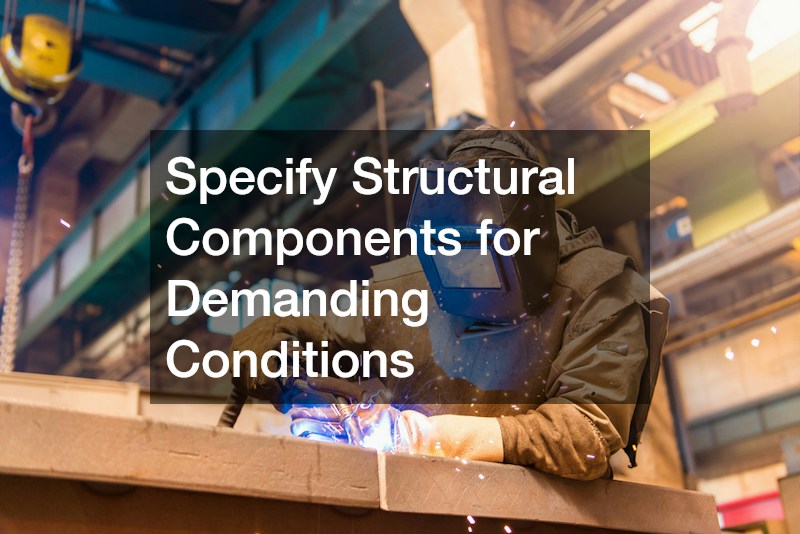
Industrial facilities often require specialized supports, platforms, guards, brackets, and access structures. These components must suit their intended loads, operating environment, and installation requirements. Poorly matched parts can create maintenance difficulties or introduce hazards around machinery and employee work areas.
Metal fabrication can provide custom components for equipment installations, facility modifications, and specialized structural applications. To produce suitable parts, fabricators need accurate dimensions, clear specifications, and information about the conditions in which each component will operate.
Facility managers should involve relevant design professionals when a component affects structural integrity or worker safety. Drawings and load requirements should be reviewed before fabrication begins, especially when new equipment must fit within an existing production area.
When preparing a fabrication request:
- Record dimensions and connection requirements.
- Identify expected loads and environmental exposure.
- Specify material and finish requirements where appropriate.
- Review drawings before authorizing production.
- Coordinate delivery with installation and equipment shutdowns.
Clear specifications reduce the risk of parts arriving that do not fit or meet operational requirements. Coordinating design, fabrication, and installation also helps avoid unnecessary downtime and last-minute modifications.
Improve Material Movement to Reduce Workplace Hazards
Material movement affects productivity, congestion, and employee safety. When pallets travel through poorly organized spaces, workers may encounter obstructed walkways, repeated handling tasks, and conflicts between people and powered equipment. Reviewing these movements can reveal opportunities to improve workflow while reducing avoidable risks.
Pallet handling conveyors can support consistent movement between receiving areas, storage zones, and production lines. Their suitability depends on the loads being transported, available space, throughput requirements, and the layout of connected equipment.
Before installation, map material routes and identify bottlenecks. Consider how deliveries enter the building, where pallets wait for processing, and how finished goods leave the production area. Equipment placement should support these movements without blocking emergency exits or maintenance access.
Key considerations include:
- Confirming load limits and operating requirements.
- Providing appropriate guarding and emergency stops.
- Separating pedestrian routes from equipment travel paths.
- Training operators in safe procedures.
- Scheduling inspections and preventive maintenance.
Review the layout whenever production volumes or storage arrangements change. A system that works well under one operating pattern may create congestion when processes, products, or delivery schedules change.
Protect Production Continuity During Bulk Material Handling
Facilities that process powders, grains, minerals, and other loose materials need handling arrangements suited to their specific products. Poorly controlled transfers can create dust, spills, blockages, equipment wear, and delays. Some materials also introduce additional hazards that require specialized controls.
Dry bulk material handling services may support the transfer, storage, movement, and processing of bulk materials throughout an industrial operation. The appropriate equipment and procedures depend on material characteristics, storage conditions, production requirements, and applicable safety standards.
Start by examining each stage of the process, from receiving and storage to transfer and final use. Identify locations where material escapes, accumulates, or slows production. Ensure cleaning and maintenance can be completed without exposing employees to unnecessary hazards.
A useful assessment should cover:
- Dust generation and the need for suitable controls.
- Storage capacity and material flow requirements.
- Transfer points where spills or blockages occur.
- Access for cleaning, inspections, and repairs.
- Equipment compatibility with the material being handled.
Review operating procedures with employees who work directly with the equipment. Their observations can reveal recurring problems and practical improvements that may not be apparent from floor plans alone.
Build a Fire Prevention Plan Around Facility-Specific Risks
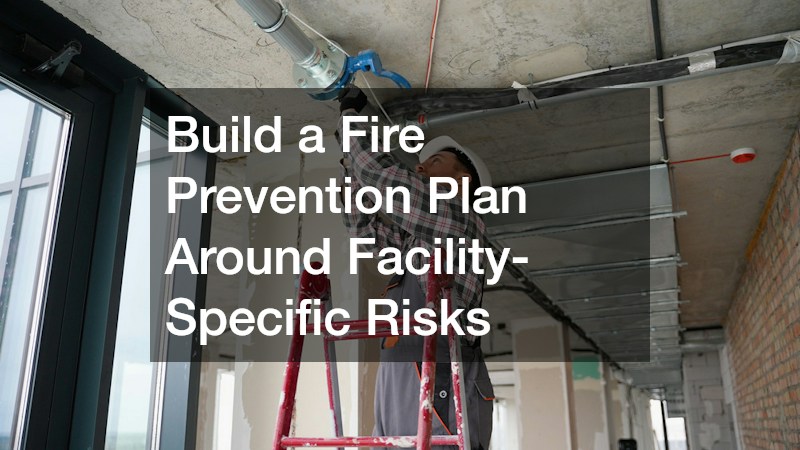
Fire risks vary according to industrial processes, stored materials, electrical equipment, and building layouts. A plan suitable for an office may not address the hazards of a manufacturing area or warehouse. Facility managers should evaluate how work activities, storage practices, and equipment affect fire prevention and emergency response.
Fire protection services may help assess hazards, inspect protective equipment, recommend safeguards, and support emergency planning. Qualified professionals can help identify deficiencies and clarify which measures apply to the facility’s specific conditions.
Managers should also maintain clear evacuation routes and establish procedures for reporting hazards. Employees need role-appropriate training, including instructions for responding to alarms and following evacuation plans.
Core prevention measures include:
- Keeping exits and emergency equipment accessible.
- Identifying ignition sources and combustible materials.
- Maintaining written emergency procedures.
- Training employees on alarms and evacuation routes.
- Reviewing risks after operational or layout changes.
Fire prevention requires ongoing attention rather than a one-time inspection. Regular reviews help facilities adapt protective measures as equipment, staffing, and production activities evolve.
Maintain Reliable Fire Suppression Throughout the Building
Fire suppression equipment must remain suitable for the building’s use and operating conditions. Changes to storage height, production machinery, ceilings, or partitions can affect how protective systems perform. Maintenance and inspection should therefore form part of the facility’s ongoing safety program.
A commercial sprinkler system should be evaluated according to applicable codes, building occupancy, hazard classifications, and changes in how spaces are used. Qualified fire protection professionals can determine whether modifications affect system requirements and identify deficiencies that need attention.
Include these responsibilities in the facility plan:
- Maintaining inspection and testing records.
- Addressing deficiencies identified by qualified personnel.
- Keeping sprinkler heads clear of stored materials.
- Reviewing system coverage after layout changes.
- Coordinating repairs with authorized professionals.
Do not assume that an existing system remains suitable simply because it previously passed inspection. New storage arrangements or equipment installations may change the conditions the system must address. Documented reviews help managers identify necessary adjustments before problems arise.
Prepare for Water Intrusion Before It Damages Equipment
Leaks, plumbing failures, drainage problems, and severe weather can affect machinery, inventory, electrical systems, and building materials. Even localized water intrusion may interrupt production if it reaches a critical work area. Preparing for these events helps managers respond quickly and reduce further damage.
Water damage restoration services may assist with water removal, drying, cleanup, and recovery after an incident. The necessary response depends on the source of the water, the materials affected, and any contamination or electrical hazards present.
Prepare for incidents by:
- Inspecting vulnerable pipes, roofs, and drainage areas.
- Identifying equipment that needs protection or relocation.
- Documenting emergency contacts and shutoff locations.
- Recording damage for maintenance and insurance purposes.
- Obtaining professional assessment before restarting affected operations.
Recovery should address the cause as well as the visible damage. Confirm that affected areas and equipment are suitable for use before resuming normal operations.
Improve Outdoor Work Areas With Weather-Ready Structures
Loading zones, employee entrances, and outdoor work areas can become difficult to use during rain, intense sunlight, or other challenging weather. Suitable covered structures may protect designated areas and improve usability, provided their design accounts for site conditions and operational needs.
A commercial canopy company may help plan a covered structure for loading activities, equipment areas, or pedestrian access. Before installation, evaluate vehicle movements, clearance heights, drainage, lighting, and the relationship between the proposed structure and existing buildings.
Before proceeding, review:
- Wind exposure and suitable structural specifications.
- Drainage patterns and water runoff.
- Vehicle clearances and pedestrian routes.
- Lighting and access for maintenance.
- Required permits and installation arrangements.
Coordinate installation with other site projects to reduce disruption. A well-planned structure should support daily activities without creating obstacles for employees, delivery vehicles, or emergency responders.
Safer, more resilient facilities depend on coordinated planning across infrastructure, equipment, structural performance, fire prevention, and water management. Regular inspections and documented maintenance help managers identify vulnerabilities before they develop into costly failures or operational disruptions.
Prioritize improvements according to safety risks, regulatory obligations, operational importance, and available resources. Consult qualified professionals when projects involve engineering, specialized equipment, or protective systems. Employee training and clear emergency procedures are equally important because workers need to understand how to recognize hazards and respond appropriately.
A proactive facility plan does more than address current problems. It establishes a practical process for reviewing changing conditions, maintaining critical systems, and preparing for future demands. With realistic budgets and consistent oversight, businesses can better protect workers, equipment, inventory, and the continuity of their operations.